
A Sip of Poison
Feeling unseen by others, we create a semblance of validation by underscoring our perception that we’ve been wronged.
I WISH I could remember the subject of my ire – as it would undoubtedly make this story more entertaining – but the fact that I can’t is rooted in its own irony.
Let’s just say whomever it was, they were firmly entrenched under my skin.
“I just feel this resentment towards them,” I said to my therapist, and as I did so, I recall feeling depleted. Exhausted.
“You know what they say about resentment, right?” she smirked.
I did not. So I let space hang.
“It’s like drinking poison and hoping the other person will die,” she responded.
More space. Because no other words were needed there.
So much so that the translation of this comparison is intuitive: Resentment is useless and only harms the one harboring it. It’s a succinct equation well suited for the rational brain.
Yet why then is it so hard to accept?
Why do so many of us – aware of the harm – continue to sip?
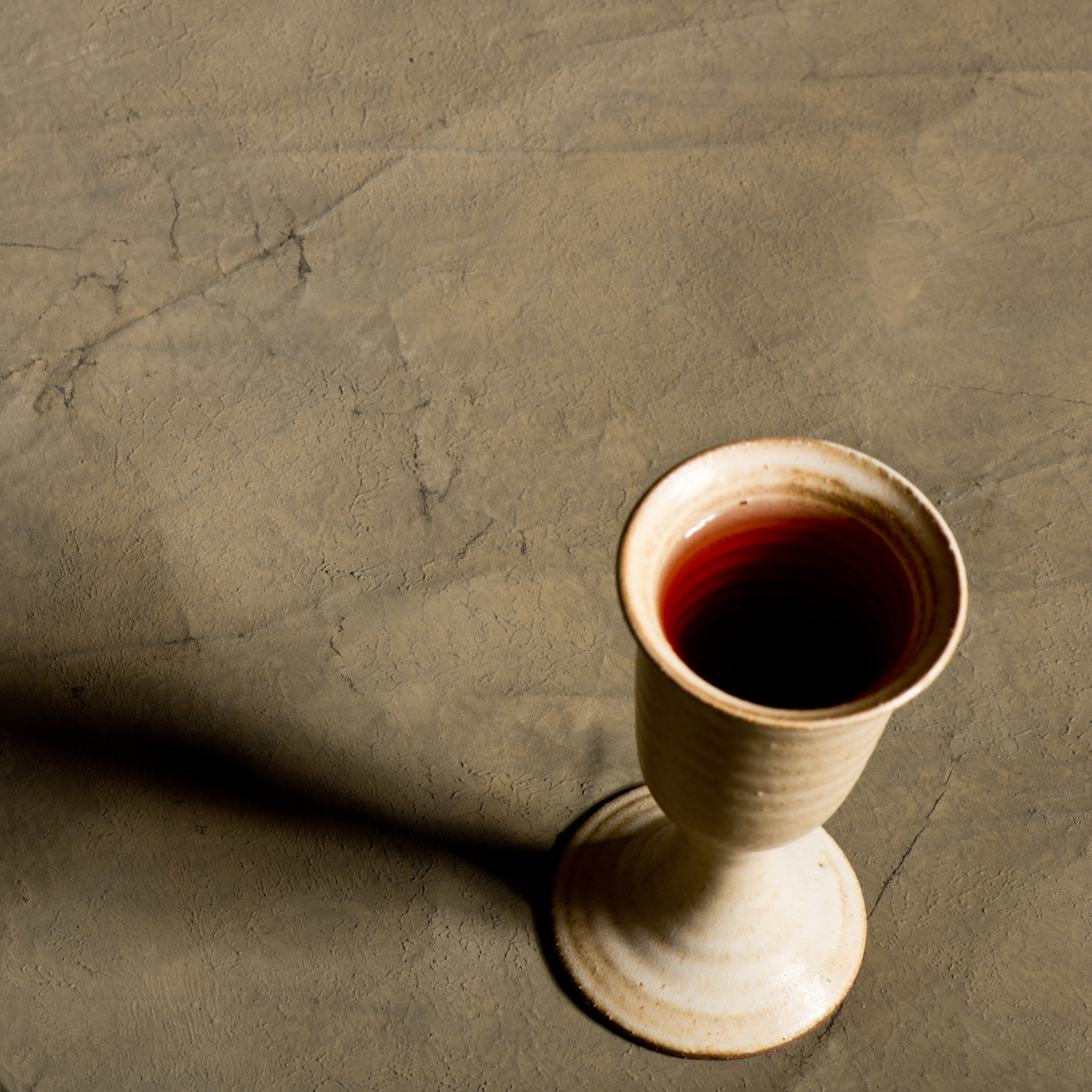
My theory is that we do so as a type of misguided allegiance to our emotions. To the disappointment we feel and the hurt that stings. Feeling unseen by others, we create a semblance of validation by underscoring our perception that we’ve been wronged.
Because in the world of the ego, the victim always has the upper hand.
Think about it: Have you ever met someone who doesn’t enjoy being right? Isn’t it a safe place to be, feeling untouchable, no responsibility to bear?
Yet the truth is that when it comes to our emotions we – and we alone – are accountable for them.
Not the person who let you down.
Or the one who said horrible, hurtful things.
Or the universe that seems hellbent on ensuring you never catch a break.
This is why if we’re going to talk about true, unabated personal freedom, we must first put down the chalice of righteousness and take ownership for of own emotional health.
We must ditch our expectations of others and situations, flawed hopes our subconscious holds onto in a manipulative manner.
So that when they’re not fulfilled, the ego takes another sip for validation and says “see…?”
We must better protect our own boundaries and learn new defense strategies when offenses slip through them.
And we must – above all – prioritize our own needs.
(Lest we end up feeling bitter towards those closest to us. Berating them internally for not being able to hear our silent cravings that even we don’t have the courage to speak).
See, resentment is so tempting because it is a convenient poison. It debilitates us just enough to excuse us from doing the work.
This is why every sip we take only further weakens us, reinforcing our belief that our wounds are destined to be raw, incapable of healing.
But – fortunately – regaining our strength is just one choice away.
All we need to do is put down the cup.
***
Coming Up Next Week: The Fixed Mindset
All the ways we tell ourselves we can’t.
Like what you just read? Create a ripple effect by supporting and sharing the love.

Write them, think them, talk them. There is no right or wrong way to navigate these prompts. Except to go into them without judgment or expectation. Be curious. And honest. Have the courage to sit with yourself.
Think of a lingering resentment you are currently nursing. What payoff is your ego getting from keeping that grievance alive? Does playing the wronged party feel safer or more comfortable than doing the hard work of letting it go? Be honest.
In your closest relationships, where are you expecting someone to read your mind, and then punishing them when they fail to do so? What is one silent craving you need to find the courage to actually speak out loud?
If you were to completely put down the cup and drop your anger toward a specific person or situation today, what is the actual emotional work or healing you would finally have to face? What is the anger helping you avoid?
Thank you for reading Lighten Up.