
The Magic Eraser
“One of the greatest truths about living is that we can decide – at any time – to do things differently.”
REGRETS. For as long as I can remember, I have wrestled with them.
But not in the way you might think. It’s not that I spend my time wishing I had made different choices.
It’s that I’m not even sure I believe regrets actually exist.
Of course, I know they do in terms of the textbook definition:
“A complex emotion characterized by sorrow, disappointment or remorse over a past decision or inaction, stemming from the realization that a different choice would have yielded a more favorable outcome.”
But there’s an element of this explanation that feels like stating the obvious.
That different choices net different results.
And therefore, there are large parts of our human existence that are, for lack of a better term, a gamble.
So why do we insist on replaying scenarios in our head wishing we had done something else when it’s only the power of time – and hindsight – that allows us to recognize we made a less-than-desirable decision?
Seriously. Think about it: If we’re going to apply the logic of “If I had known then what I know now” shouldn’t that immediately absolve us of the guilt/shame that comes from regrettable action (or lack thereof)?
Because we didn’t have access to the perspective that we currently possess.
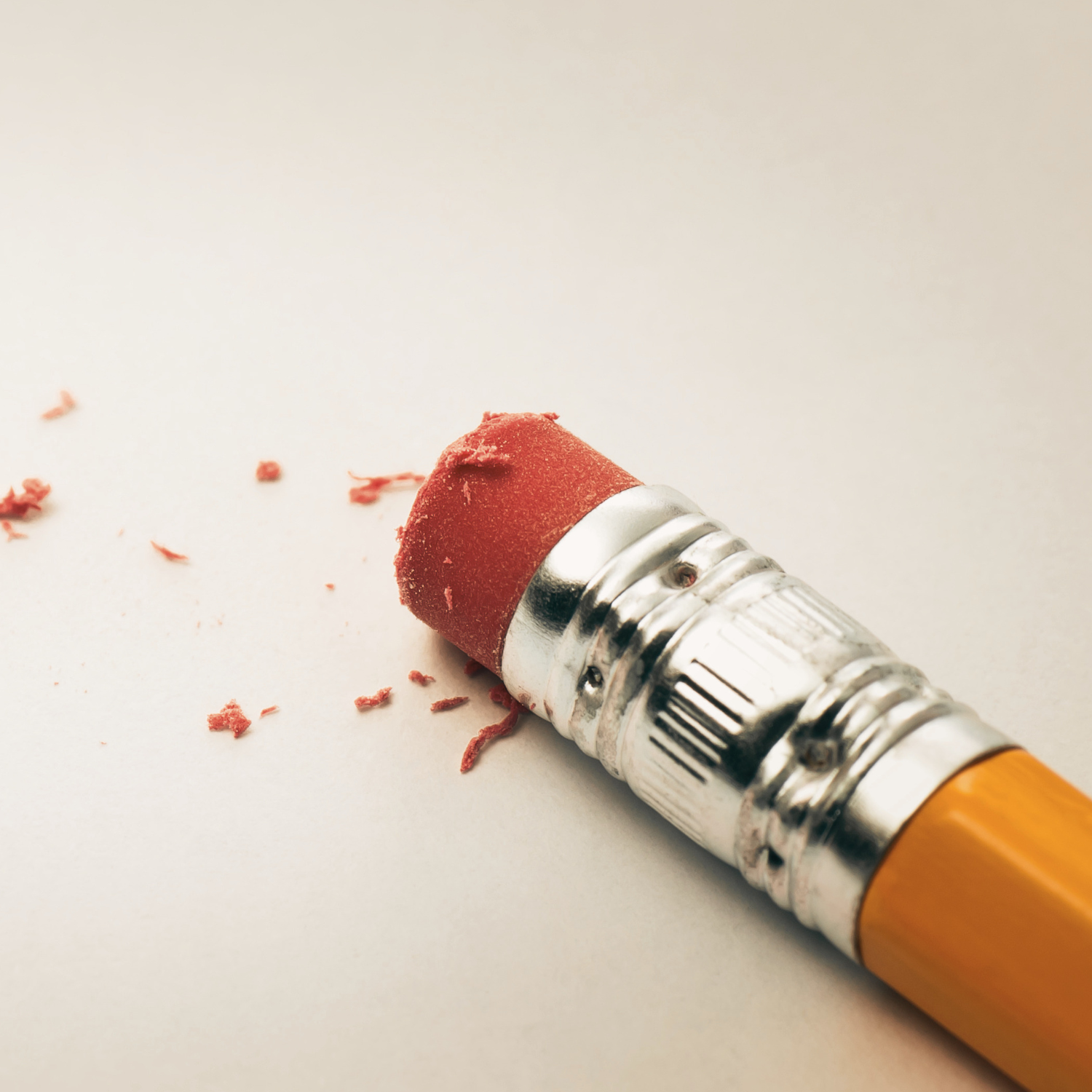
So perhaps we made a choice armed with the best knowledge available to us in the moment.
Or maybe we can now see that our emotions got the upper hand. Note taken.
But as long as there are takeaways that can be applied to future scenarios, didn’t that mistake we wish we could magically erase serve a purpose?
Of course it did.
Yet the disconnect is in recognizing this – and letting it shape how we move forward.
See, regrets become heavy, Gang, when we refuse to put them down. When we allow them to define us.
Despite knowing there is absolutely no way to rewind the clock and get a do-over, we ruminate.
When what we should be doing is getting curious.
Becoming crystal clear about why you did the things you wish you hadn’t done is a) how you release your grip from them and b) how you right your supposed wrong by taking advantage of the present moment.
Regretting how much you worked when your kids were young? Start showing up now.
Regretting how little care you’ve taken of your body thus far? Start nourishing it now.
Regretting words you did – or didn’t – say? Speak them now (even if it’s just to the universe).
One of the greatest truths about living is that we can decide – at any time – to do things differently. This is where experience, maturity – and yes, aging – become superpowers.
Because our if-I-had-known-then library keeps growing.
So next time you find yourself feeling regret, see if you can view it as a strength rather than a weakness.
It’s your deepest sense of self admitting that it acted out of alignment.
It’s a form of self respect that says, we can – and will – do better.
***
Coming Up Next Week: A Sip of Poison
The toxic seed rooted in the need for validation.
Like what you just read? Create a ripple effect by supporting and sharing the love.

Write them, think them, talk them. There is no right or wrong way to navigate these prompts. Except to go into them without judgment or expectation. Be curious. And honest. Have the courage to sit with yourself.
Think of a prominent regret you’ve been replaying lately. If you look at it through the lens of your growing "if-I-had-known-then" library, what specific piece of data or wisdom did that mistake add to your shelves?
In what way are you carrying the heft of a past choice that you cannot change? What is one micro-action you can take today to start righting that supposed wrong in the present moment?
Is an apology needed? If you’re harboring regret over an action that affected someone else, can you find the strength to admit that — to them? It can be as simple as sticking a note in the mail that says “I’m sorry,” no explanation needed (hint: it’s actually the first step towards forgiving yourself).
Thank you for taking the time to read.